Ethical Sourcing Practices for Hardwoods Used in High-End Blackjack Table Construction
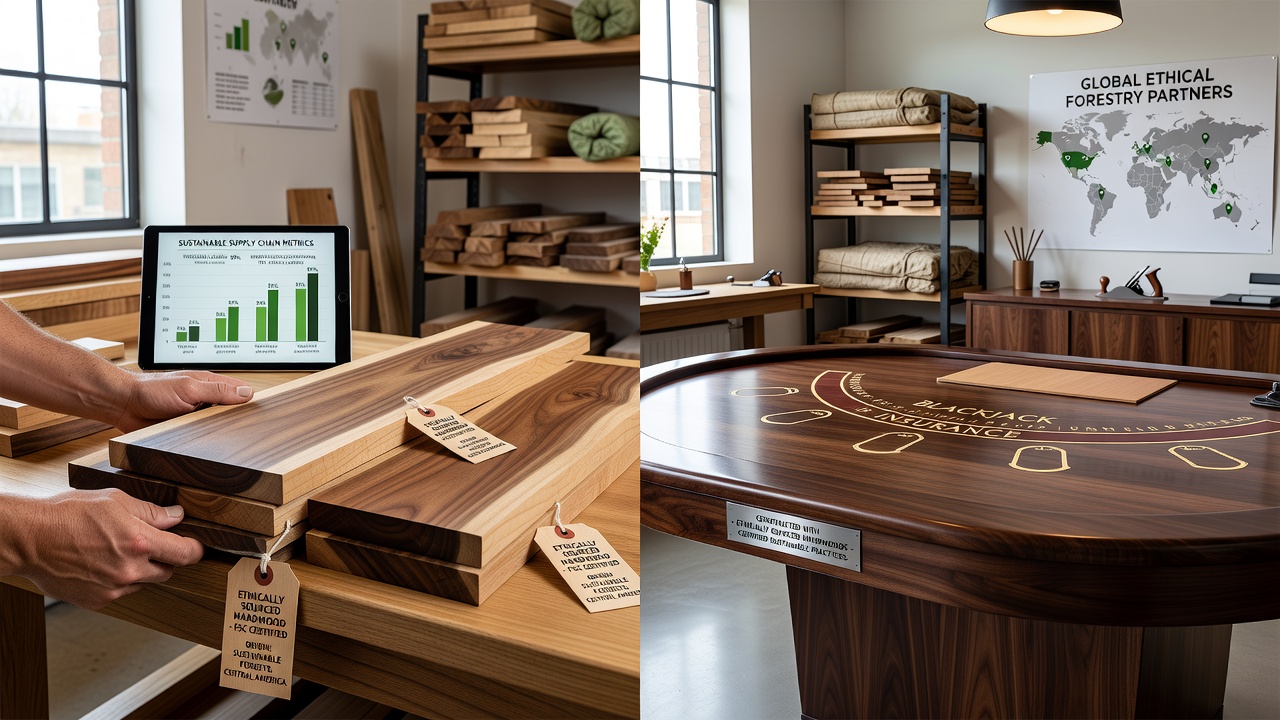
High-end blackjack tables rely on carefully selected hardwoods that provide both structural integrity and visual appeal, and ethical sourcing has become a central focus for manufacturers who supply regulated gaming venues. These tables often incorporate species such as white oak, hard maple, and cherry that deliver the density needed to support heavy felt surfaces, precision rails, and electronic components while meeting durability standards in continuous-use environments.
Common Hardwood Species and Their Applications
Manufacturers select hard maple for its tight grain and resistance to warping, qualities that maintain flat playing surfaces over years of intensive use. White oak appears frequently in table bases and legs because its natural tannins resist moisture absorption, a practical advantage in climate-controlled casino floors where humidity levels fluctuate. Cherry provides a rich color that deepens with age, which explains its popularity in custom high-limit rooms where aesthetics matter alongside functionality.
Data from forestry inventories shows these species grow primarily in managed forests across North America and parts of Europe, regions where harvesting regulations require documented chain-of-custody records. Observers note that suppliers who work with North American mills often combine maple and oak in single table designs, allowing each wood to contribute its specific mechanical properties without relying on tropical species that carry higher regulatory scrutiny.
Certification Systems and Traceability Protocols
Certification programs such as those administered by the Forest Stewardship Council establish verifiable standards that track timber from forest to finished table. These programs require third-party audits of harvesting practices, reforestation rates, and worker safety records. Fabricators who hold valid certificates can demonstrate to casino operators that the wood components in blackjack tables originate from operations that maintain biodiversity corridors and limit soil erosion.
Another framework, the Programme for the Endorsement of Forest Certification, operates in parallel and emphasizes regional management plans tailored to local ecosystems. Both systems generate digital records that accompany each shipment, enabling procurement teams to verify origin even when components travel through multiple distributors before reaching the assembly floor.
Supply Chain Monitoring in Practice
Procurement teams at specialty casino furniture companies now integrate blockchain-based tracking platforms that log every transfer of certified lumber. These systems record harvest dates, mill processing steps, and transportation routes, creating an unbroken digital trail that auditors can review. In June 2026, several major North American suppliers reported expanded adoption of such platforms after regulatory updates in multiple jurisdictions began requiring enhanced due-diligence documentation for imported hardwoods.
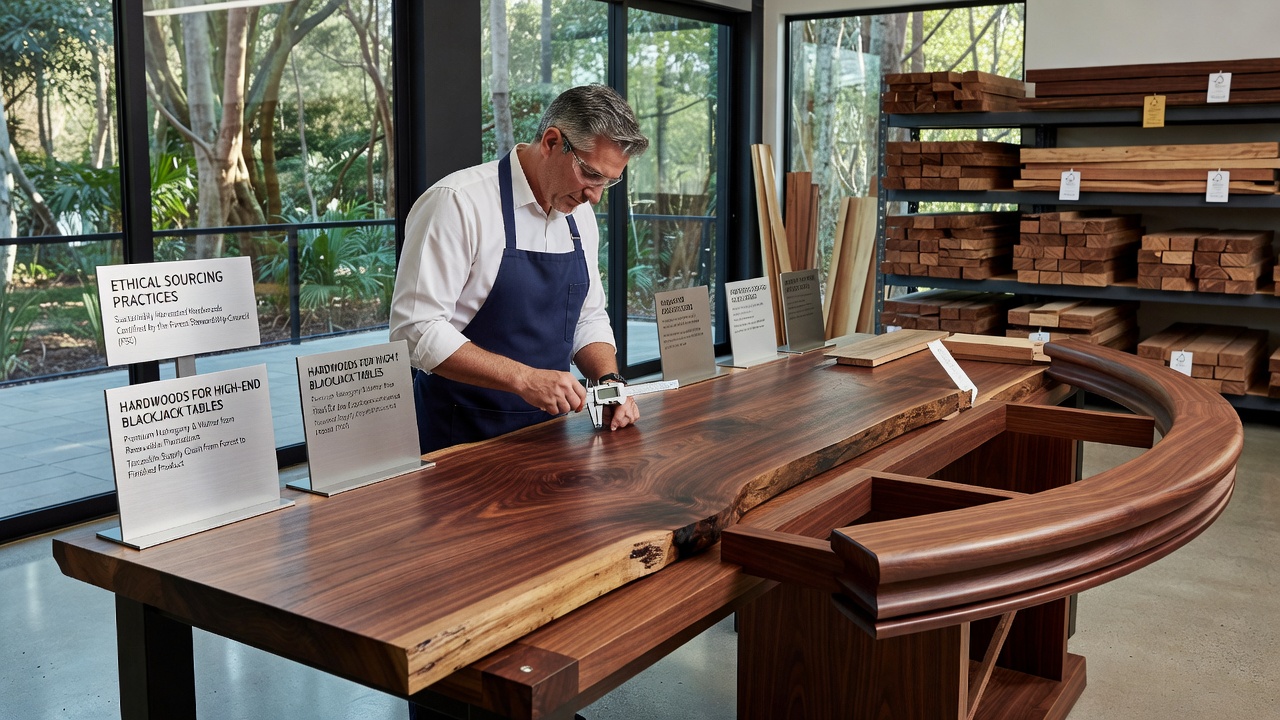
One documented approach involves batch testing at receiving warehouses, where moisture meters and density scanners confirm that delivered lumber matches the species and grade listed on accompanying certificates. When discrepancies appear, material gets quarantined and traced back through the supply chain until the source of the mismatch is identified. This level of oversight reduces the risk that illegally harvested wood enters production lines for gaming equipment.
Regulatory Landscape Across Regions
The United States Lacey Act requires importers to declare the scientific name, country of harvest, and quantity of each wood species entering the country. Enforcement actions have prompted several casino equipment manufacturers to maintain in-house compliance teams that review declarations before any hardwood shipment clears customs. Canadian provincial forestry ministries publish annual reports on sustainable harvest volumes, data that downstream buyers reference when planning table production schedules.
European Union timber regulations similarly mandate risk assessments for any wood products placed on the market, including components destined for gaming furniture. Manufacturers who export tables to EU-based casinos therefore maintain separate documentation packages that satisfy both domestic and international requirements.
Current Industry Trends and June 2026 Developments
Industry associations tracking gaming equipment supply chains report that demand for certified hardwood has risen steadily as more casino operators adopt environmental procurement policies. In June 2026, updates to several state-level gaming commission guidelines began referencing sustainable material sourcing as a factor in equipment approval processes, prompting additional suppliers to seek certification renewals ahead of bidding cycles.
Research from university forestry programs indicates that selective harvesting techniques, when paired with active reforestation, can maintain or even increase overall timber volume in managed stands over multi-year cycles. Table builders who source from these operations gain access to consistent wood quality while supporting forest management practices that align with long-term availability goals.
Conclusion
Ethical hardwood sourcing for high-end blackjack tables now encompasses certification adherence, digital traceability, and compliance with international trade regulations. Manufacturers who integrate these practices deliver products that meet both performance specifications and the documentation requirements of modern casino procurement departments. As regulatory expectations continue to evolve, the emphasis on verified supply chains remains a defining element of professional gaming furniture production.