Global Standards Governing the Refurbishment of Aging Video Poker Units for Secondary Markets
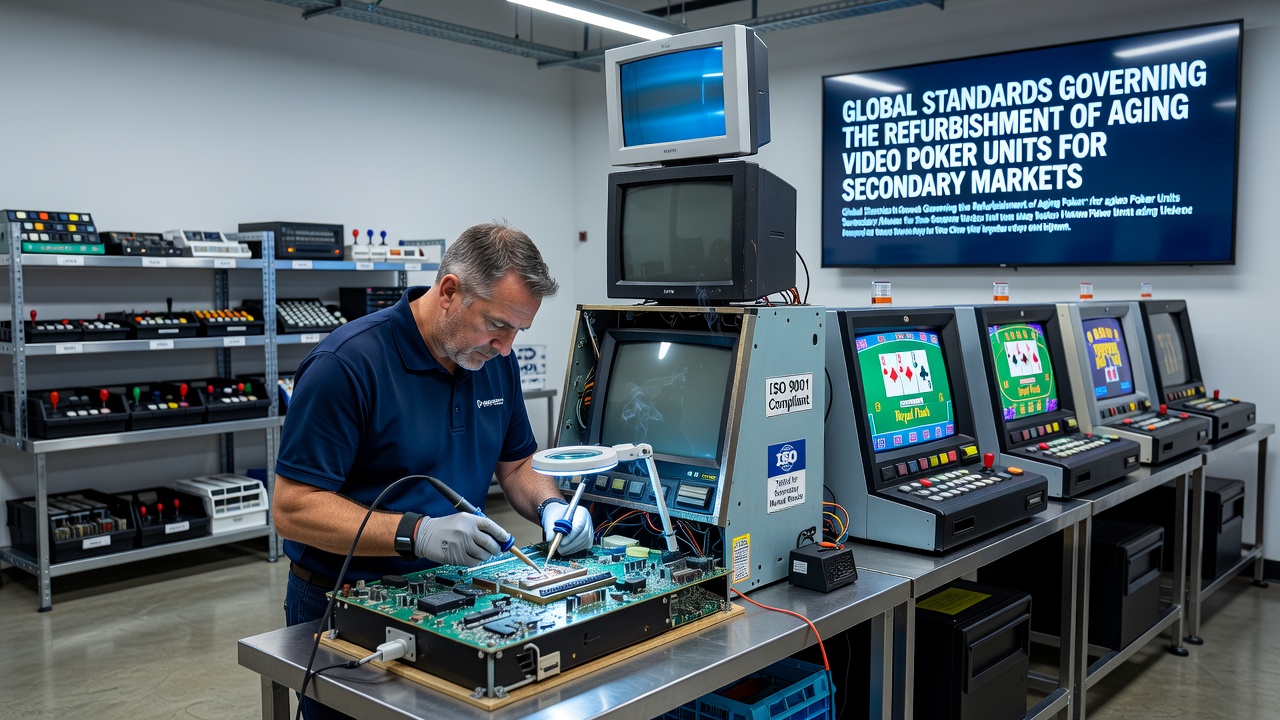
Refurbishment of aging video poker units for secondary markets operates under a patchwork of international regulations that address hardware integrity, software certification, and player protection across jurisdictions, while data from industry reports shows rising demand for these machines in emerging casino destinations as of June 2026. Regulatory bodies enforce specific guidelines that refurbishers must follow to ensure units meet safety and fairness criteria before resale or redeployment.
North American Oversight Mechanisms
Authorities in the United States maintain strict protocols for video poker refurbishment through state-level gaming control entities, and the Nevada Gaming Control Board requires detailed documentation of component replacements along with independent laboratory testing for random number generators before any unit enters secondary circulation. Refurbishers must also comply with federal standards on electronic gaming device security, which include tamper-evident seals and audit trails that track modifications from original manufacturing specifications.
Canadian provinces apply parallel requirements through provincial regulators, whereas Alberta Gaming, Liquor adn Cannabis outlines procedures for certifying refurbished terminals that emphasize electrical safety inspections and updated firmware versions to prevent vulnerabilities in networked environments. These rules create consistency for cross-border movements of equipment into secondary markets while accounting for differences in payout verification methods.
European and Broader International Frameworks
European jurisdictions coordinate through directives that focus on electromagnetic compatibility and low-voltage equipment standards, which directly influence how refurbished video poker units undergo testing for interference and power stability during the refurbishment cycle. Observers note that these requirements often integrate with national gaming laws that mandate third-party verification of game logic after any hardware or software intervention.
Asia-Pacific markets introduce additional layers through country-specific certification processes, and Singapore's regulatory environment demands comprehensive risk assessments for aging units entering secondary use, including environmental stress testing to simulate high-traffic casino conditions. Refurbishment facilities serving these regions frequently adopt unified quality management systems that align multiple standards simultaneously.
Technical Specifications and Compliance Testing
Refurbishment standards specify precise criteria for display calibration, button response mechanisms, and bill validator functionality, while laboratories conduct accelerated lifecycle simulations that replicate years of operation in compressed timeframes. Data indicates that units passing these evaluations demonstrate measurable improvements in mean time between failures when returned to service.
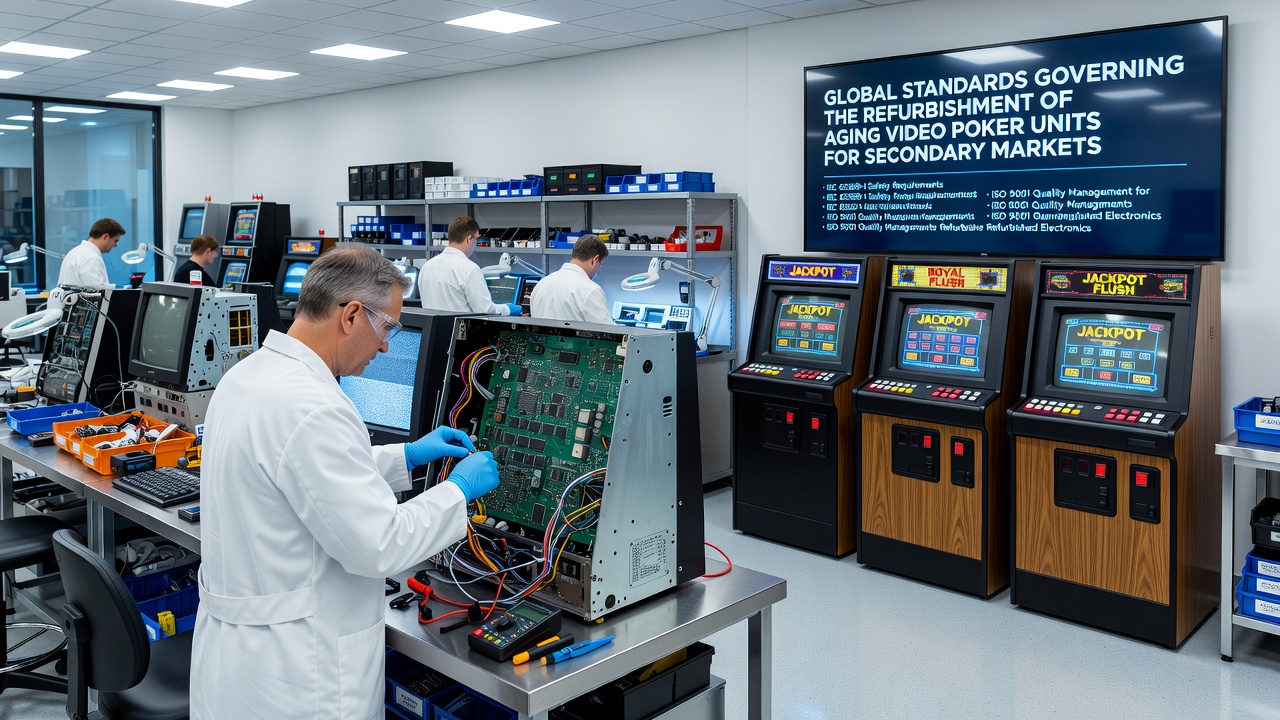
Software integrity checks form a core requirement across most frameworks, and technicians must verify that game titles retain original mathematical models without unauthorized alterations that could affect return-to-player percentages. Certification bodies issue seals or documentation that accompany each unit through the supply chain to secondary operators.
Supply Chain and Documentation Requirements
Global standards emphasize traceability from original manufacturer through each refurbishment stage, which involves serialized parts logs and chain-of-custody records that prevent introduction of counterfeit components. Industry associations coordinate training programs that keep refurbishment personnel current on evolving technical bulletins issued by gaming authorities.
Secondary market transactions increasingly rely on digital platforms for compliance verification, and operators in emerging regions request proof of adherence to multiple regulatory regimes before accepting shipments. This approach reduces delays at customs checkpoints where equipment undergoes additional scrutiny.
Conclusion
Refurbishment of aging video poker units continues to evolve alongside technological advancements in gaming hardware, with standards bodies periodically updating guidelines to address new security challenges and performance benchmarks. Facilities that integrate these requirements into daily operations maintain access to secondary markets while supporting regulatory objectives for equipment reliability and player protection across regions.