Integrating Traditional Poker Table Features with Digital Tracking Systems for Enhanced Oversight
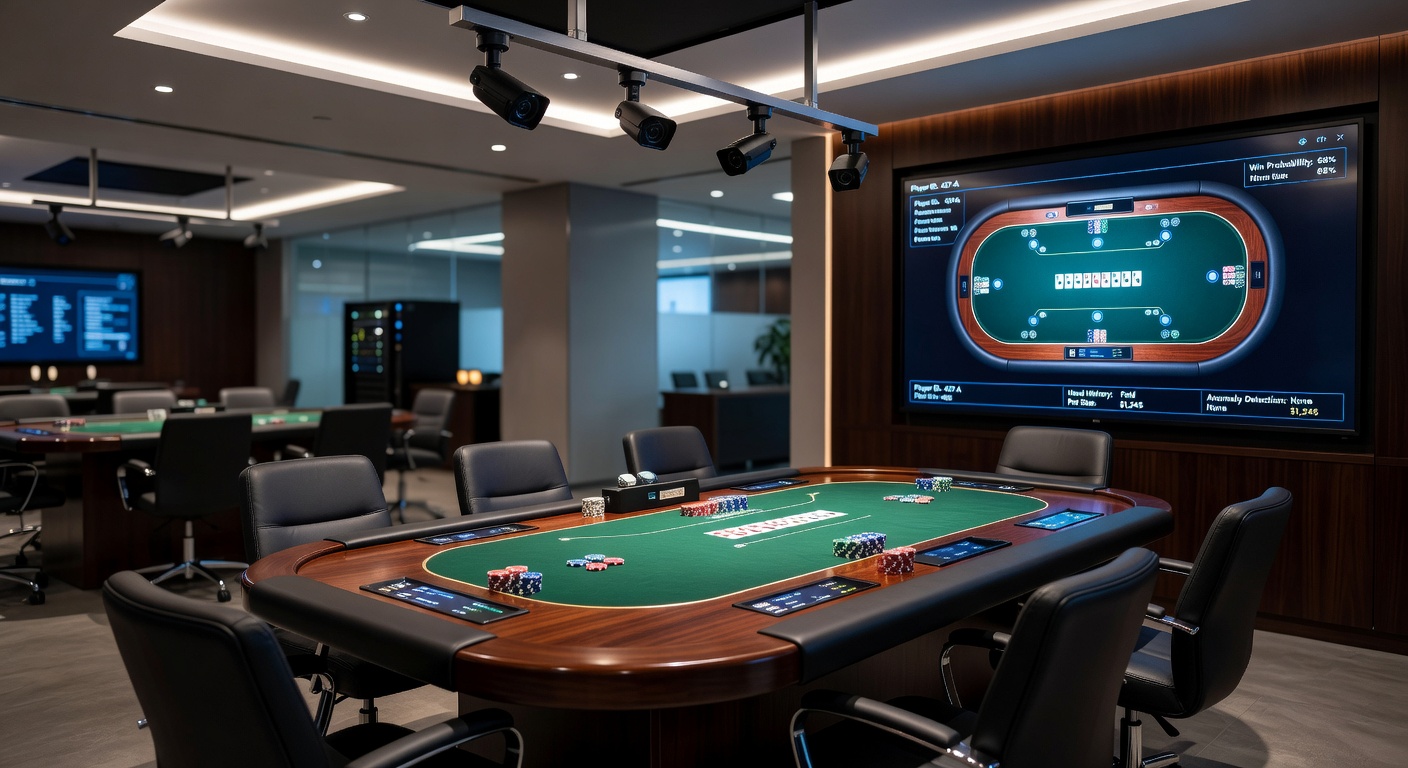
Traditional poker tables have featured felt layouts, chip trays, dealer buttons, and rail padding for decades, while digital tracking systems now add layers of real-time data collection through embedded sensors and software platforms. Integration connects these physical elements with electronic monitoring tools, allowing casinos to maintain familiar gameplay surfaces alongside automated oversight mechanisms that log bets, track chip movements, and flag irregularities without altering core table mechanics.
Core Elements of Traditional Poker Tables
Poker tables typically include speed cloth surfaces designed for card handling, built-in cup holders, and modular rail sections that accommodate player comfort during extended sessions. Manufacturers construct these tables with reinforced frames to support heavy chip stacks and dealer shuffles, and many models incorporate drop boxes for cash handling that align with established casino security protocols. Observers note that these physical attributes continue to define standard play environments across North American and international venues.
Digital Tracking Technologies in Modern Setups
RFID-enabled chips transmit location data to antennas placed beneath the felt, while overhead camera arrays capture hand sequences and player actions for software analysis. Systems record bet amounts, pot sizes, and card distributions through optical recognition and pressure-sensitive zones around betting circles. Data from these components flows into centralized dashboards that generate compliance reports for regulatory review, and facilities in regions such as Nevada and parts of Canada have adopted similar configurations to meet audit requirements.
Methods for Combining Physical and Digital Features
Technicians embed flat RFID readers directly into table felt layers without raising surface height, preserving the tactile experience players expect during chip pushes and card deals. Dealer buttons receive microchip upgrades that sync with tracking software to mark active hands and blind positions automatically. Wiring routes through existing table legs connect to secure network nodes, and modular power supplies allow retrofits on older tables while keeping original wood finishes intact. In May 2026, several properties reported completing such upgrades during scheduled maintenance windows to minimize floor downtime.
What's interesting is how these modifications keep the visual and ergonomic qualities of legacy tables while adding data streams that capture every transaction at the point of play. Software algorithms cross-reference RFID signals with video feeds to verify that chips match declared bets, and any mismatch triggers immediate alerts to floor supervisors.
Enhanced Oversight Through Combined Systems
Integrated platforms enable continuous monitoring of player behavior patterns, including bet timing and chip handling sequences that may indicate collusion or advantage play. Regulatory bodies receive automated exports of session data, which supports faster dispute resolution and reduces manual audit hours. According to figures from the Nevada Gaming Control Board, facilities using combined tracking report improved accuracy in daily revenue reconciliation compared with tables relying solely on manual counts.
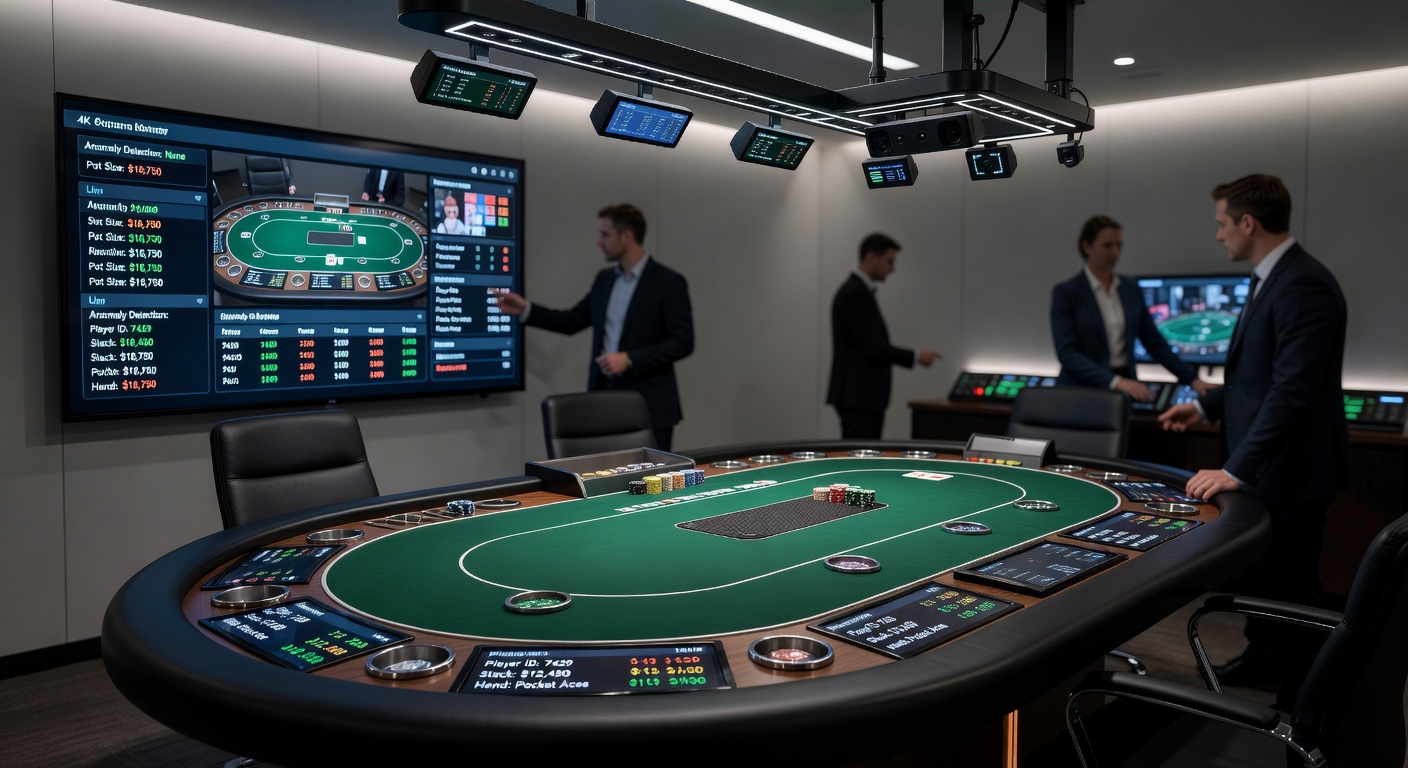
One study revealed that pressure-mapping zones around community card areas help confirm proper card placement during community games, while chip tray sensors maintain running inventories that update after each hand. These features work together because the physical table structure remains unchanged in appearance and function, yet every movement feeds into secure logs that regulators and operators can review remotely.
Implementation Examples Across Jurisdictions
Venues in Atlantic City have incorporated similar hybrid tables where traditional felt and rail designs sit above sensor grids connected to state-mandated reporting portals. In Australia, select properties link table hardware to centralized systems overseen by state gaming authorities, allowing cross-site analysis of high-limit games. Researchers from the University of Nevada, Reno have documented how such integrations support responsible gaming measures by identifying extended play sessions through timestamped data without interrupting live action.
Turns out the wiring and antenna placement must account for electromagnetic interference from nearby slot machines, so installers route shielded cables along established pathways beneath the casino floor. Maintenance crews perform quarterly calibration checks to ensure sensor accuracy remains within manufacturer tolerances, and spare felt sections with pre-installed readers allow quick swaps during peak hours.
Conclusion
Integration of longstanding poker table components with digital oversight tools creates environments where physical familiarity meets precise monitoring capabilities. Facilities achieve compliance documentation through automated collection of bet histories and chip movements, while players continue to experience standard table surfaces and dealer interactions. As installations expand in 2026, operators continue to refine sensor placement and software interfaces to align with evolving regulatory expectations across multiple regions.