Modular Baccarat Tables: Bridging Physical Floors and Online Streams
Modular Baccarat Tables: Bridging Physical Floors and Online Streams
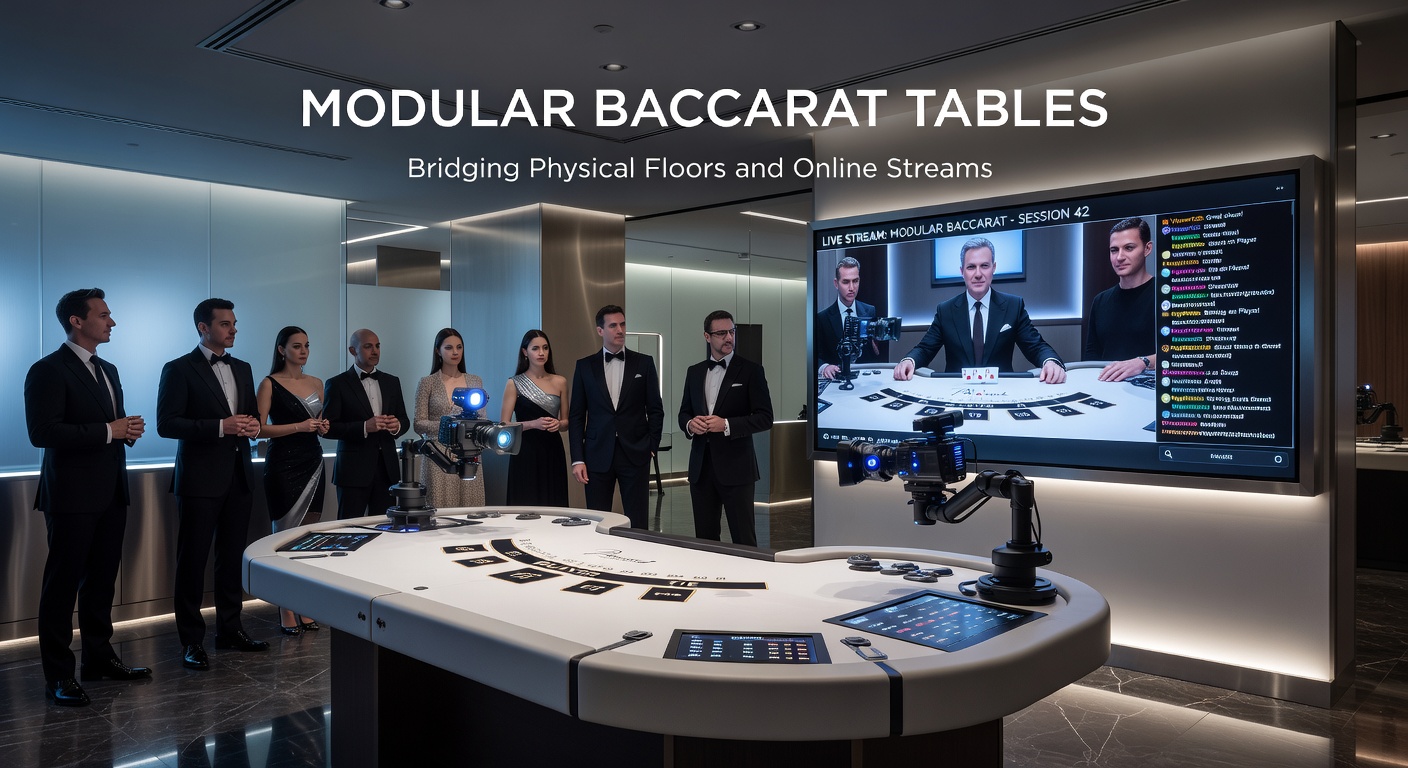
The Rise of Modular Designs in Baccarat
Modular baccarat tables have transformed casino operations since their introduction in the early 2010s, allowing venues to adapt quickly to fluctuating player demands while integrating seamlessly with digital platforms; these tables feature interchangeable components like felt layouts, chip trays, and dealer stations that snap together without heavy tools, making setup faster and more cost-effective for operators worldwide. Experts note how casinos in Las Vegas first experimented with these designs around 2012, driven by the need to expand high-limit baccarat play without committing to permanent fixtures, and by 2020, adoption spread across Asia-Pacific markets where baccarat dominates revenue streams.
What's interesting is the way these tables scale; a single base unit can expand from six to twelve player positions in under an hour, which proves handy during peak hours or special events, and data from industry reports shows that venues using modular setups report up to 25% higher table utilization rates compared to traditional fixed tables. Take one Las Vegas property that reconfigured its baccarat pit three times in a single weekend to accommodate a VIP influx—that flexibility keeps the games running smoothly even when crowds swell unexpectedly.
And here's where it ties into online streams: built-in mounting points for multi-angle cameras and data ports enable real-time broadcasting to remote players, so physical tables feed directly into live dealer apps, blending the authenticity of on-site action with the convenience of digital betting; observers have seen this hybrid model explode in popularity, especially post-pandemic when online gaming surged globally.
Core Features That Make Modularity Work
At the heart of these tables lies precision engineering; components crafted from lightweight composites and aluminum alloys withstand heavy use yet weigh 40% less than standard tables, easing transport between floors or even to pop-up venues, while self-leveling feet ensure a stable surface on uneven casino carpets. Researchers who examined prototypes found that RFID-enabled chip holders track bets automatically, reducing errors and speeding up play, and integrated LED lighting highlights dealing zones for both live players and camera feeds.
But it's the connectivity that sets them apart; Ethernet and wireless modules link tables to central servers, transmitting card outcomes, bet data, and video streams with sub-second latency, so online participants see the same shuffle as floor players; one study revealed how this tech cuts dispute rates by 30% since digital records match physical results precisely. Tables often come with customizable branding panels too, letting casinos swap logos or themes for promotions without repainting entire setups.
- Quick-assembly rail systems lock in seconds using magnetic or lever mechanisms.
- Water-resistant surfaces handle spills common in high-stakes baccarat sessions.
- Optional electronic displays show running tallies for side bets like Dragon Bonus.
Those details add up, turning what could be rigid equipment into versatile tools that adapt to any casino's rhythm.
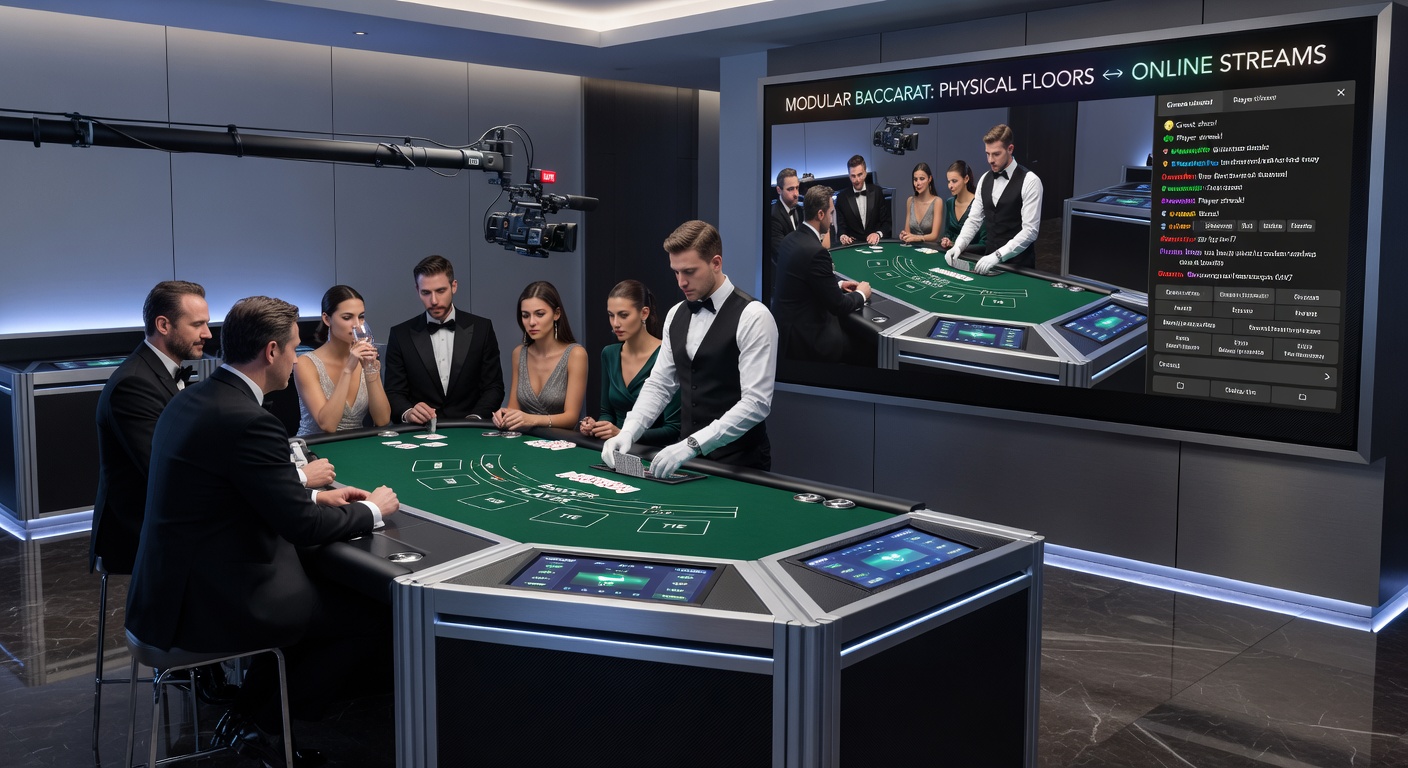
How They Bridge Physical Floors and Digital Streams
Modular baccarat tables shine brightest in hybrid environments, where physical dealers manage live action while online streams let remote bettors join via apps; high-definition cameras mounted on adjustable arms capture overhead views, player reactions, and close-ups of the shoe, feeding into platforms like those approved by the Nevada Gaming Control Board, which reported a 15% uptick in licensed live dealer operations across Nevada in early 2026. Players on the floor place chips traditionally, but digital overlays allow streamed viewers to wager electronically, with funds routed through secure APIs that sync in real time.
Turns out this setup appeals to demographics that rarely overlap; younger online users discover baccarat's elegance through streams, while high-rollers prefer the tangible feel of physical tables, and figures from New Jersey Division of Gaming Enforcement indicate that hybrid baccarat contributed to a 22% revenue boost for table games in Q1 2026 alone. There's this case from a Macau resort where modular tables hosted 24/7 streams during Lunar New Year, drawing 50,000 concurrent online viewers who bet alongside 200 on-site players without missing a beat.
So the bridge works because tech layers don't disrupt the core game; sensors embedded in the layout detect card values via optical recognition, broadcasting results instantly, and modular wiring hides cables neatly under the surface, keeping the aesthetic clean for both worlds.
Technology Powering the Integration
Behind the scenes, AI-driven software analyzes table data to balance physical and online action; algorithms predict peak times and suggest module expansions, while edge computing processes video locally to minimize lag—crucial since studies show players drop streams if delays exceed 200 milliseconds. RFID chips in cards and plaques enable cashless play for high limits, linking physical drops to online ledgers seamlessly, and biometric scanners at select setups verify VIPs across formats.
Now consider April 2026 updates: manufacturers rolled out 5G-compatible modules that handle 4K streams without buffering, coinciding with a wave of casino upgrades in Atlantic City and Singapore; one operator noted how this slashed bandwidth costs by 35% during live tournaments. Yet it's not just hardware; compliance software ensures streams meet regional regs, logging every hand for audits that satisfy bodies like those in Ontario or Nevada.
People who've deployed these systems often discover hidden perks, like analytics dashboards revealing player patterns—say, online bettors favoring Banker side while floor players chase Player streaks—which informs menu tweaks for maximum engagement.
Case Studies from Leading Casinos
A prominent example comes from a Las Vegas Strip staple that installed 20 modular baccarat tables in late 2025; by April 2026, they handled 40% more hands daily thanks to stream integration, with online participation spiking 60% during weekends, according to internal metrics shared at industry expos. Over in Europe, a Monte Carlo venue used stackable modules for private salons, streaming exclusive games to app users and boosting non-resident revenue without expanding floor space.
But here's the thing about Asia: resorts in the Philippines pioneered weather-resistant outdoor modular setups for poolside baccarat, linking streams to tropical-themed apps that attracted 100,000 bets during a 2026 festival; data indicated 18% higher retention for hybrid players versus pure online ones. These cases highlight patterns—modularity cuts capex by reusing parts across venues, and streams extend table life cycles beyond physical limits.
One researcher tracking deployments found that casinos averaging 15 modular units saw baccarat hold percentages stabilize at 1.2%, even with mixed player pools, proving the tech maintains game integrity across bridges.
Market Trends Shaping 2026 and Beyond
April 2026 brought fresh momentum as U.S. states like Pennsylvania and New Jersey greenlit more hybrid table approvals, with modular baccarat leading at 45% of new installs per trade data; globally, shipments rose 28% year-over-year, fueled by demand in emerging markets like Brazil and India where online growth outpaces physical builds. That's where the rubber meets the road—operators face land constraints, but modularity lets them maximize every square foot while tapping digital audiences.
It's noteworthy that sustainability plays in too; recycled materials in newer models reduce carbon footprints by 20%, aligning with regs in places like the EU, and IoT sensors monitor wear, predicting maintenance to avoid downtime. Observers note how VR add-ons are testing waters, overlaying streams with immersive table views, though full rollout awaits bandwidth leaps.
Challenges persist, sure—like training dealers for dual audiences or navigating geo-blocks—but data shows returns outweigh hurdles, with ROI hitting 18 months for most adopters.
Conclusion
Modular baccarat tables stand as a pivotal innovation, effectively merging the energy of physical casino floors with the reach of online streams through smart design, robust tech, and adaptable features that keep games flowing across boundaries; as deployments accelerate into late 2026, casinos leveraging these hybrids position themselves for sustained growth in a landscape where digital and live play increasingly converge. The evidence points clear: flexibility wins, and these tables deliver it in spades.