The Hidden Engineering Behind Casino Furniture Durability in High-Traffic Venues
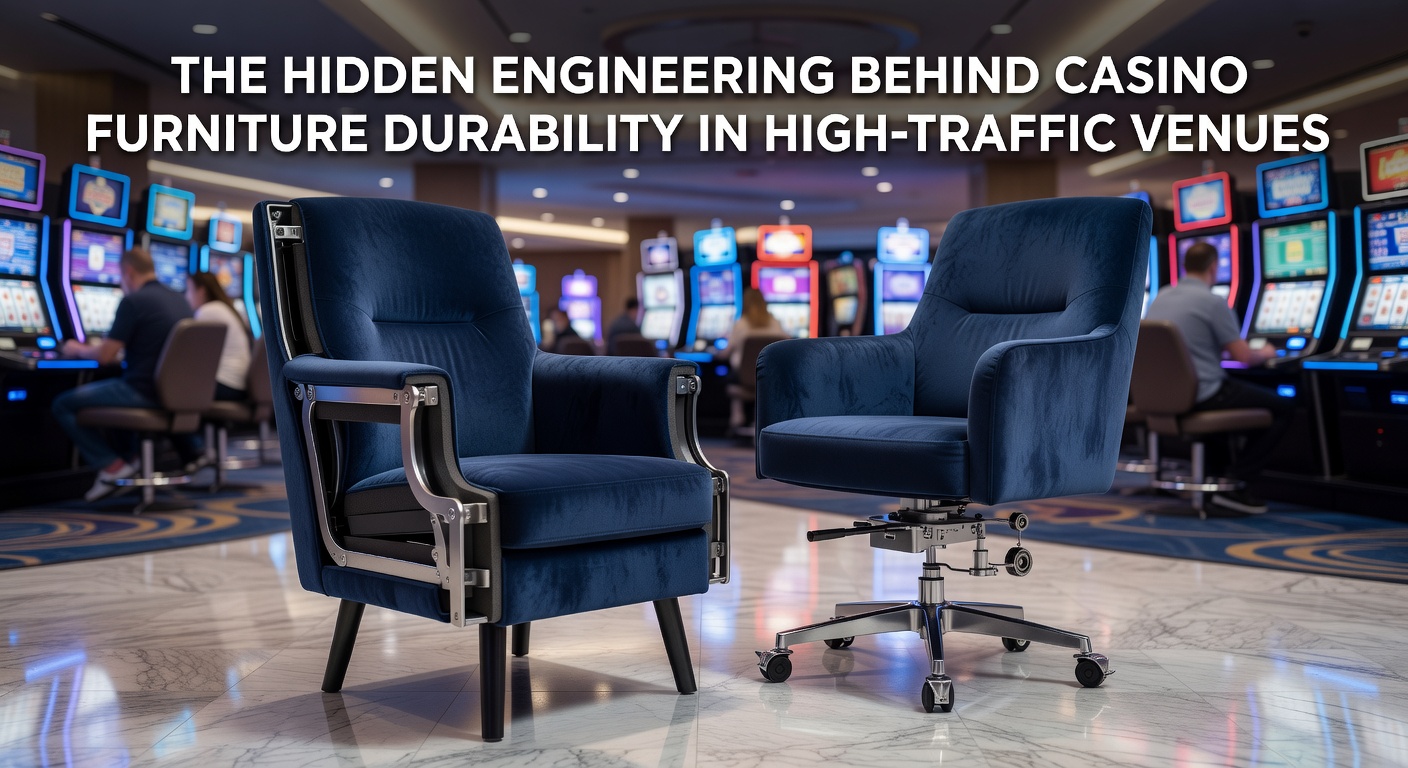
High-traffic casino venues place extraordinary demands on furniture, with chairs, stools, and tables often experiencing thousands of daily interactions from players who sit, lean, and shift for hours at a time. Engineers address these challenges through layered material selections and structural reinforcements that maintain integrity under constant load cycles, and data from major gaming markets shows average chair usage exceeding 12 hours per day in peak seasons.
Material Innovations for Long-Term Wear Resistance
Manufacturers start with frame constructions that combine high-tensile steel alloys with polymer composites, creating bases that resist bending while remaining lightweight enough for frequent repositioning by staff. These frames undergo cyclic fatigue testing that simulates years of use in just weeks, revealing weak points before furniture reaches the floor. Observers note that venues in high-volume locations like those operating through May 2026 have increasingly adopted hybrid frames with corrosion-resistant coatings, particularly in humid environments where moisture accelerates degradation.
Upholstery layers incorporate multi-density foams topped by commercial-grade vinyl or woven textiles treated with antimicrobial agents, allowing surfaces to withstand spills, cleaning chemicals, and repeated abrasion without cracking or fading. Research indicates that specialized polyurethane blends extend surface life by factors of three compared to standard materials, while embedded antimicrobial additives reduce bacterial buildup in areas with heavy food and beverage traffic.
Structural Design That Withstands Constant Stress
Beyond materials, the geometry of each piece incorporates strategic reinforcement zones, such as gusseted joints at stress points and tapered leg designs that distribute weight evenly across floor contacts. These features prevent wobbling and tipping even when players shift suddenly during intense games, and modular attachment systems let technicians replace individual components like seat pans or armrests without discarding entire units.
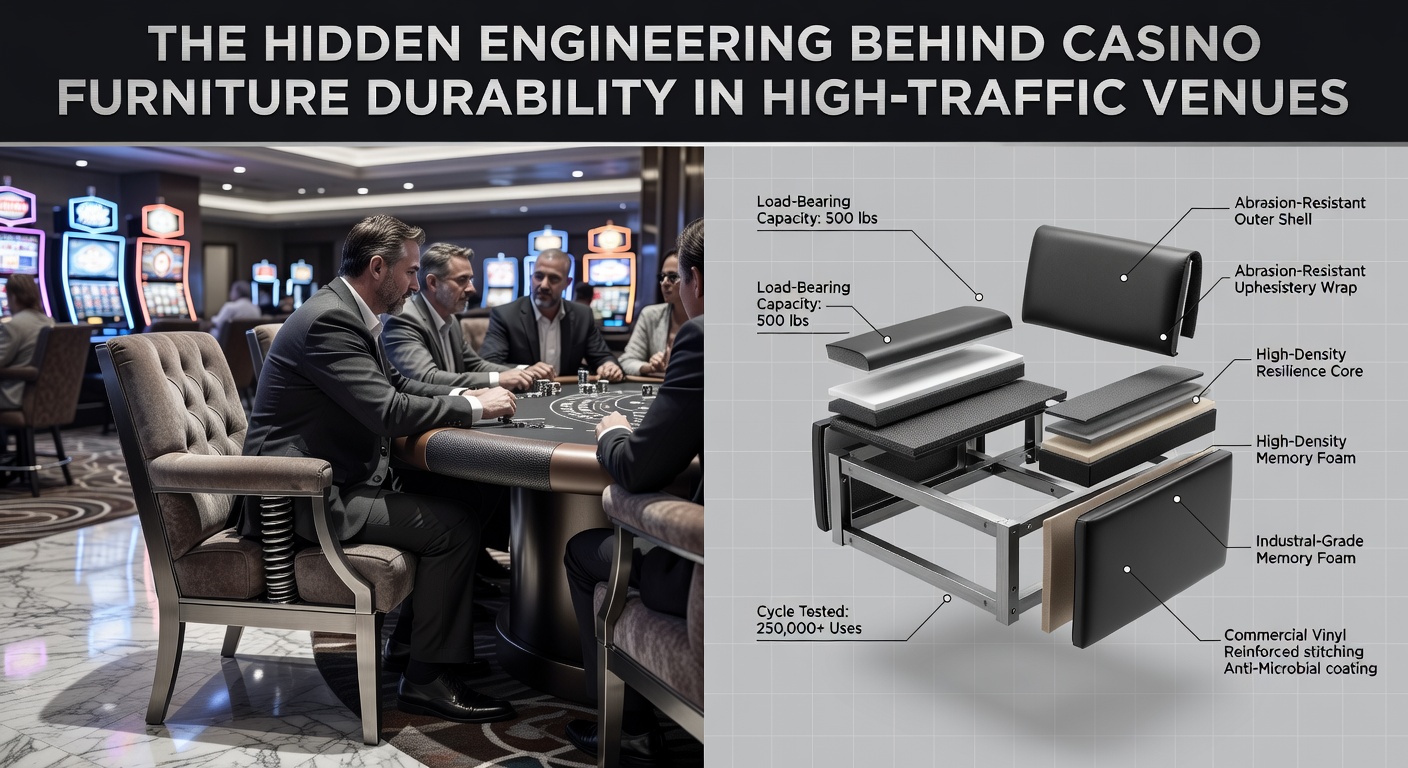
Ergonomic contours receive equal attention, with lumbar supports molded to maintain player comfort during extended sessions while the underlying structure absorbs impact from shifting body weight. Take one engineering team that developed a swivel mechanism using sealed ball bearings rated for over 500,000 rotations, a specification that aligns with observed usage patterns in 24-hour operations. Such designs also include hidden cable management channels that protect power and data lines for integrated electronic features without compromising the furniture's clean exterior lines.
Testing Protocols and Real-World Performance Data
Industry standards require furniture to pass rigorous protocols that include drop tests, abrasion cycles, and load-bearing assessments far exceeding typical office or hospitality requirements. Figures from regulatory oversight bodies reveal that certified pieces maintain structural stability after simulated 10-year usage equivalents, with failure rates dropping below 2 percent when proper engineering practices are followed. People who've studied venue maintenance logs often discover that proactive component rotation and scheduled inspections further extend service intervals by identifying early wear on casters or pivot points.
What's interesting is how these engineering choices intersect with broader operational needs, including compliance with accessibility guidelines that demand stable seating heights and clear floor space around tables. Venues track performance through digital inventory systems that log repair frequency, providing data that feeds back into future design iterations and helps procurement teams select suppliers based on documented longevity metrics rather than initial cost alone.
Adaptations for Specific Gaming Areas
Different zones within a casino demand tailored solutions, with poker rooms favoring wider, more stable chairs that accommodate multiple players leaning across tables, while slot areas use narrower stools with integrated footrests to maximize density without sacrificing durability. Baccarat and roulette stations often feature custom table bases engineered to support heavy layouts and electronic displays, using vibration-dampening mounts that keep surfaces level despite nearby foot traffic. Those who've examined installation records note that modular base systems allow quick swaps when layouts change, reducing downtime during floor reconfigurations common in competitive markets.
But here's the thing: even the most robust designs require integration with venue-specific maintenance routines, such as daily surface sanitization and quarterly deep inspections that catch issues before they affect player experience. Data shows facilities that combine engineered furniture with these practices report lower replacement cycles and higher guest satisfaction scores tied to consistent comfort levels.
Conclusion
The engineering behind casino furniture durability combines advanced materials, precise structural analysis, and ongoing performance monitoring to meet the unique demands of continuous high-traffic environments. As venues evolve through periods like May 2026, these hidden design elements continue to support operational reliability while adapting to new usage patterns and regulatory expectations across global gaming markets.