The Unexpected Logistics of Equipping Floating Casinos on International Cruise Routes
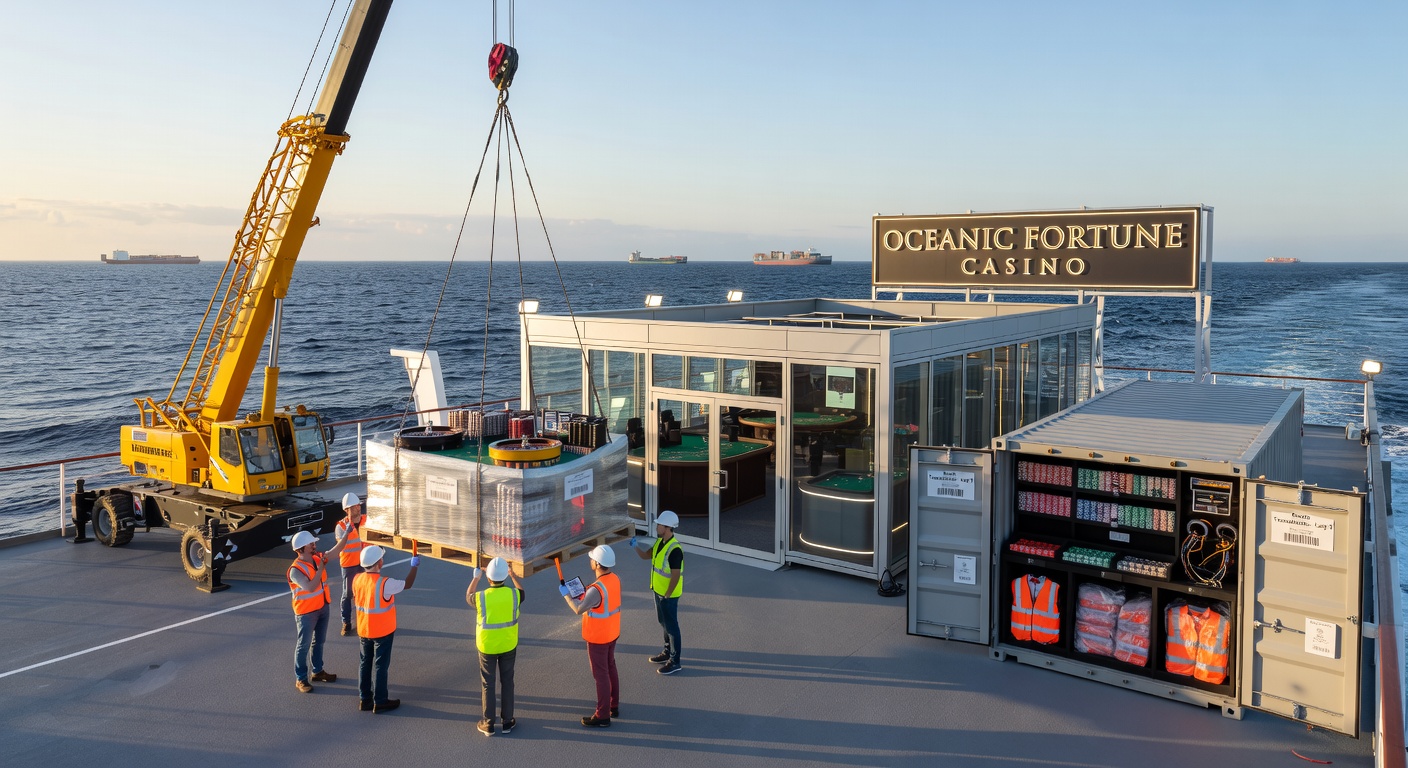
Equipping floating casinos on international cruise routes involves coordinating equipment deliveries across multiple time zones, port authorities, and maritime regulations that shift with each vessel's itinerary. Cruise operators must source gaming tables, chips, and surveillance systems that meet both international maritime standards and the specific gambling laws of every country visited during a single voyage. Data from industry reports shows that these supply chains often span suppliers in Asia, Europe, and North America, with deliveries timed to coincide with dry-dock periods or brief port calls.
Regulatory Navigation Across Borders
Each port of call imposes distinct requirements for gaming equipment, which forces logistics teams to prepare modular components that can be reconfigured quickly. Observers note that vessels operating routes through the Caribbean and Mediterranean frequently carry duplicate sets of felt layouts and chip inventories to satisfy varying tax and licensing rules enforced by local gaming commissions. Research from maritime logistics studies indicates that compliance documentation alone can add several days to the preparation timeline for each sailing season.
Companies coordinate with regulatory bodies such as the Cruise Lines International Association to track updates on equipment standards that affect installation procedures. Those who've managed these operations report that even minor changes in one jurisdiction can trigger re-certification of entire table systems before the ship departs the next port.
Equipment Sourcing and Customization Challenges
Manufacturers produce casino-grade tables and chairs designed to withstand constant motion, yet fitting these items into the limited floor space of a cruise ship requires precise measurements taken during the vessel's construction phase. Suppliers often work with naval architects to create components that bolt securely to reinforced deck plates, which reduces movement during rough seas. Inventory records from major cruise lines reveal that replacement parts for roulette wheels and blackjack tables are stocked at strategic ports worldwide to minimize downtime when repairs become necessary.
Supply Chain Timing and Storage Solutions
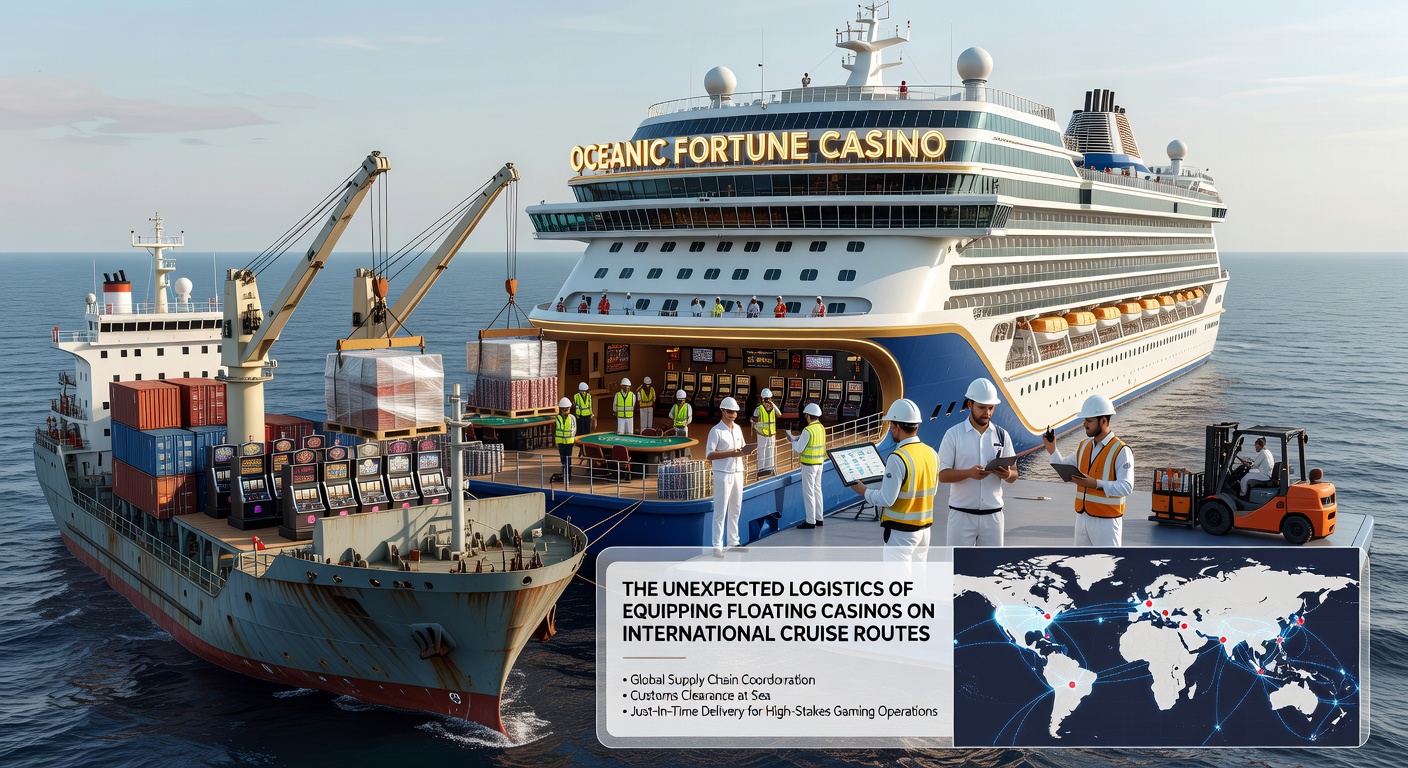
Delivering large volumes of playing cards, dice, and poker chips to a ship that changes location every few days demands detailed coordination with freight forwarders who specialize in maritime cargo. Teams schedule shipments so that consumables arrive at the same time as the vessel reaches a hub port, while climate-controlled storage containers protect sensitive materials from salt air and humidity during transit. Studies of cruise operations show that lead times for custom felt orders can stretch to twelve weeks because fabric must pass both fire-safety tests and gambling-equipment durability standards.
Installation and Maintenance at Sea
Technicians often complete final assembly of gaming floors during short port stays or overnight while passengers are ashore, which limits the window for testing surveillance cameras and shuffling machines. Engineers design quick-release mounting systems that allow tables to be moved or replaced without cutting into the deck structure, yet these systems must still meet stability requirements set by classification societies. Maintenance logs indicate that routine inspections occur weekly, with additional checks scheduled after any period of heavy weather.
Spare components travel with the ship in designated storage areas that also serve as temporary workshops, allowing onboard teams to handle minor repairs without waiting for the next scheduled port call. Data compiled through 2025 and into May 2026 shows increased demand for these mobile repair kits as more vessels add or expand casino offerings on longer itineraries.
Security and Inventory Control Measures
Tracking high-value items such as chips and cards across international borders requires serialized inventory systems that integrate with the ship's overall security network. Customs officials at each port may request detailed manifests, which means logistics coordinators prepare digital records that can be transmitted hours before arrival. Those managing floating casinos note that discrepancies in chip counts trigger immediate audits, since even small variances can affect both regulatory compliance and operational integrity.
Collaboration with equipment providers helps ensure that new technology, such as RFID-tagged chips, arrives pre-programmed and compatible with the vessel's existing monitoring software. This approach reduces the risk of compatibility issues that could otherwise delay the reopening of gaming areas after a refit.
Conclusion
The logistics of outfitting floating casinos continue to evolve as cruise operators expand routes and introduce new gaming formats. Coordination between manufacturers, regulators, and ship management teams determines how efficiently equipment reaches vessels operating on tight schedules. Figures from recent industry analyses reveal steady growth in the number of ships carrying casino facilities, which places ongoing pressure on supply networks to maintain reliability across changing international conditions.