Tracing Global Sourcing Patterns for Professional Gaming Tokens in Private Venues
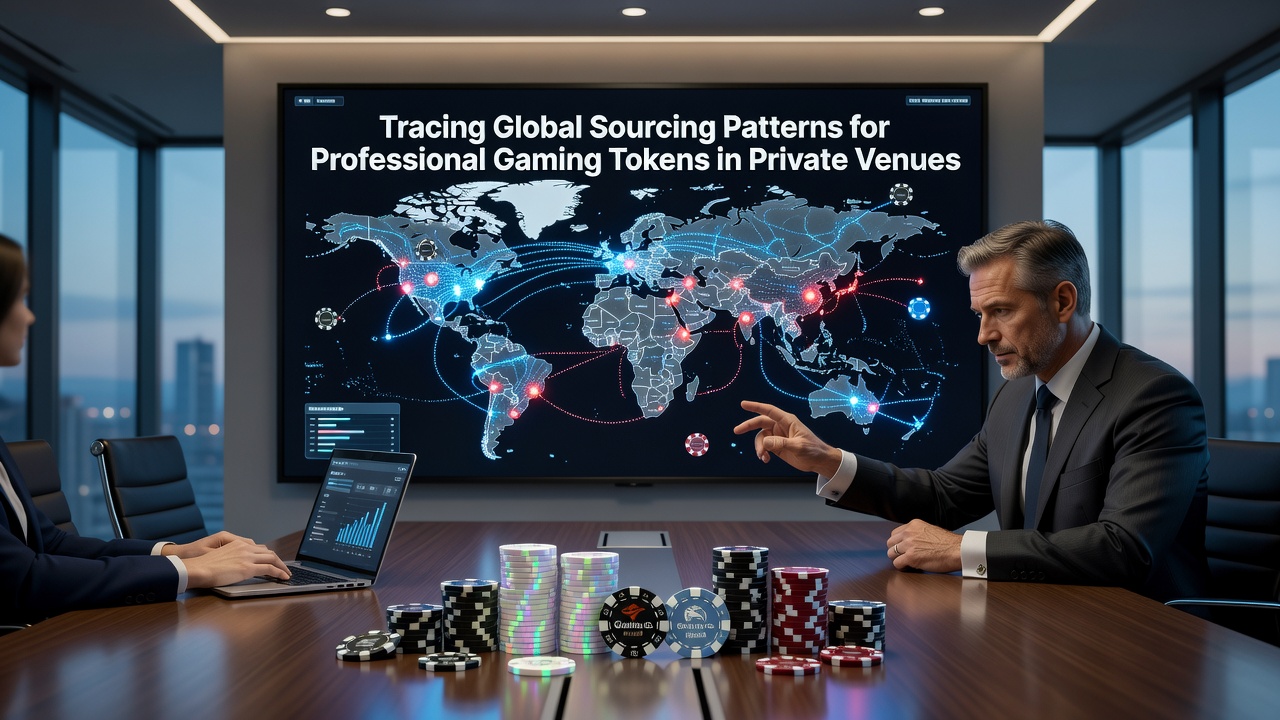
Professional gaming tokens move through intricate international networks that connect raw material suppliers, specialized manufacturers, and private venue operators across multiple continents. These patterns reflect shifts in production capacity, regulatory compliance requirements, and logistics efficiencies that have developed over recent decades. Observers note that private venues often prioritize tokens with specific weight, durability, and security features that distinguish them from standard retail products.
Material Origins and Production Hubs
Clay composites and metal cores form the foundation of most professional tokens, with primary clay deposits located in regions of the American Southwest and parts of Southeast Asia. Manufacturers in China and the Philippines process these materials into finished products that meet precise specifications for private gaming floors. The process involves multiple stages where raw clay undergoes blending with polymers before compression molding occurs under controlled temperatures.
Production facilities in these hubs maintain certifications that align with standards set by various gaming authorities, allowing tokens to enter markets in North America, Europe, and Australia without extensive re-inspection upon arrival. Data from industry reports shows that approximately 65 percent of high-security tokens used in private venues originate from facilities operating under these coordinated supply agreements.
Distribution Networks and Logistics
Once manufactured, tokens travel through established freight corridors that include air cargo for high-value shipments and ocean freight for bulk orders. Private venue operators in Las Vegas and Macau frequently receive consignments that have passed through intermediary warehouses in Singapore or Dubai, where customs documentation receives final verification. These routing choices reduce transit times while maintaining chain-of-custody records required by regulatory bodies.
June 2026 figures from the Nevada Gaming Control Board indicate steady import volumes for custom tokens into the state, reflecting consistent demand from both new private gaming rooms and refurbishment projects. Logistics providers coordinate with manufacturers to synchronize deliveries with venue renovation schedules, minimizing downtime on gaming floors.
Regulatory Influences on Sourcing Decisions
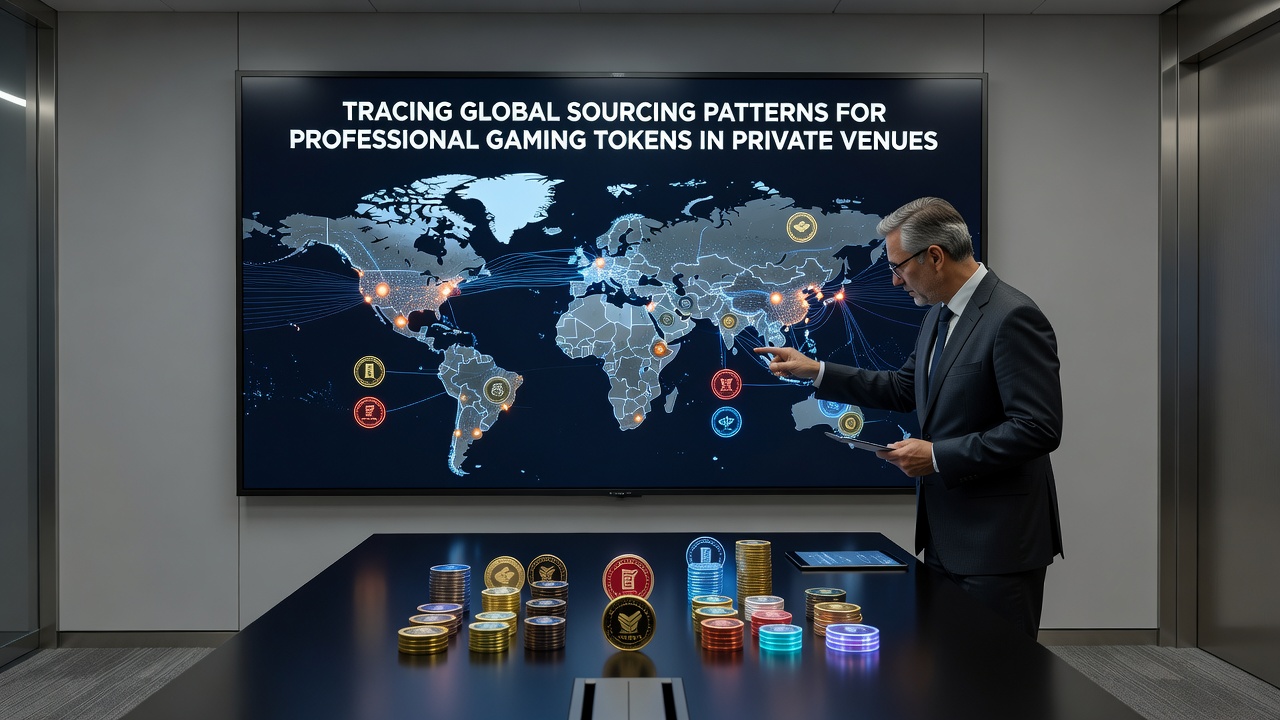
Private venues must comply with jurisdiction-specific rules that affect which suppliers receive approval. The Nevada Gaming Control Board and the Alcohol and Gaming Commission of Ontario maintain separate but overlapping lists of certified token producers, which encourages manufacturers to adapt production lines to satisfy both sets of requirements simultaneously. This dual compliance creates sourcing patterns that favor larger facilities capable of meeting multiple regulatory frameworks at once.
Researchers at institutions tracking gaming supply chains have documented how tariff adjustments and trade agreements influence route selections. When duties on certain composite materials change, operators often shift orders between production sites in different countries to maintain cost structures while preserving quality standards.
Security Features and Traceability Requirements
Modern tokens incorporate RFID chips and unique serial markings that allow venues to track individual pieces throughout their operational life. These embedded technologies originate from electronics suppliers in Taiwan and South Korea before integration during the final manufacturing stage. Private venue security teams rely on these identifiers to detect counterfeits and monitor token circulation patterns on the floor.
According to studies published by the International Centre for Gaming Research, traceability systems have reduced discrepancies in token inventories by measurable percentages across monitored properties. The same systems also support audit processes required during license renewals or ownership transfers.
Emerging Patterns in 2026
Recent months have shown increased interest in nearshoring options among operators in the Americas, with some private venues exploring token production partnerships in Mexico and Central America. These developments complement rather than replace existing Asian manufacturing capacity, creating more diversified sourcing portfolios. Industry associations report that such diversification helps mitigate risks associated with single-region disruptions.
Private venues continue to balance cost considerations against the need for tokens that withstand intensive daily use while incorporating advanced anti-counterfeiting measures. The resulting supply patterns reflect ongoing adaptation to both technological advances and evolving regulatory landscapes across different jurisdictions.
Conclusion
Global sourcing for professional gaming tokens in private venues operates through interconnected systems shaped by material availability, manufacturing expertise, regulatory compliance, and logistics infrastructure. Patterns observed through mid-2026 demonstrate continued reliance on established production hubs alongside gradual exploration of additional regional options. These networks support the operational needs of private gaming environments while meeting the technical and security standards required by overseeing authorities.